
- Details
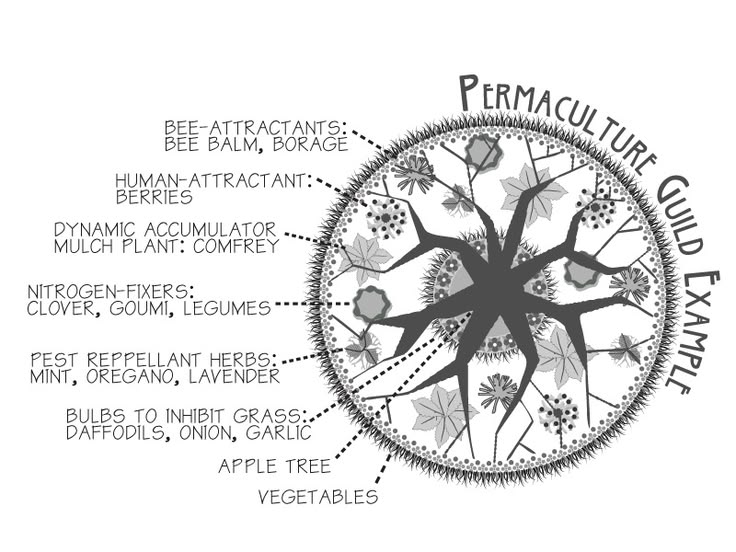
Have you ever took a walk through nature and wondered how does the natural world consistently sustain itself while we put so much effort and time into our manicured ornamental gardens, and yet it thrives? Many people over the years have wondered the same, and have studied the natural world to determine what makes these systems so capable of sustaining themselves and continuously being healthy, biodiverse, and sustainable. Indigenous communities in North America have been taking inspiration from nature, and in some forests, you can still find intentionally-planted food forest guilds planted by these communities. By looking at nature for inspiration, permaculture guilds are a way to design your garden to provide more to the ecosystem, environment, and humans, while needing less external input in order to function.
- Details
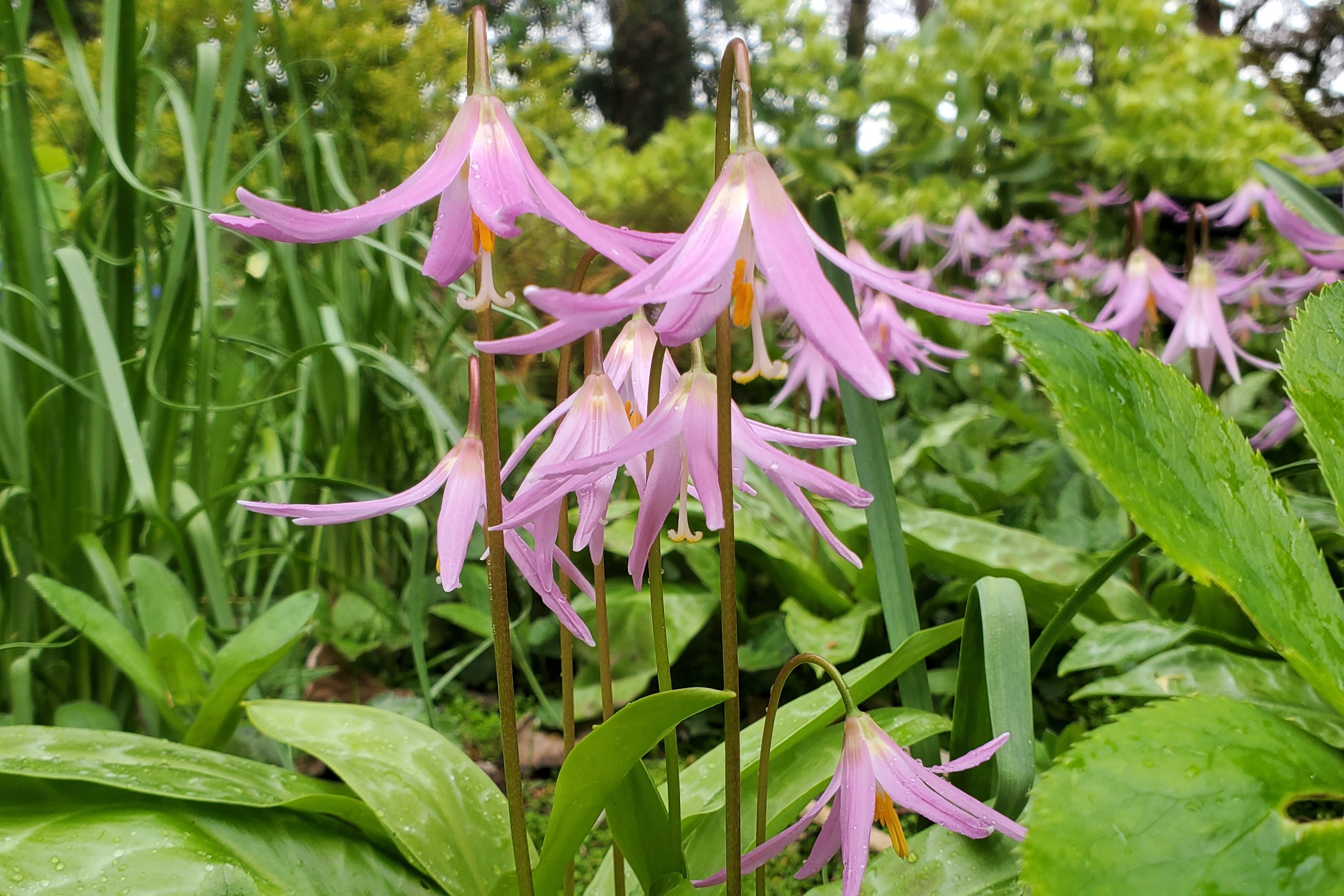
First of all... what exactly is a 'spring ephemeral plant'?
A spring ephemeral is a herbaceous perennial plant that take advantage of early-season sunlight and moisture, completing their growth and flowering before the forest canopy fills in with leaves. On Southern Vancouver Island, these fleeting wildflowers are among the first signs of spring!
- Details
When creating gardens that look visually beautiful, it's tempting to leave the dark, contrasting soil between the plants uncovered to create a stunning visual effect. It may look clean and tidy, but bare soil is actually one of the most ecologically damaging conditions we can create in a garden ecosystem. When you look at nature, for instance, you can notice that there is hardly ever soil left exposed, and for good reason.
In order to create healthier gardens that are also thriving ecosystems, we need to shift our mindset regarding bare soil.
- Details
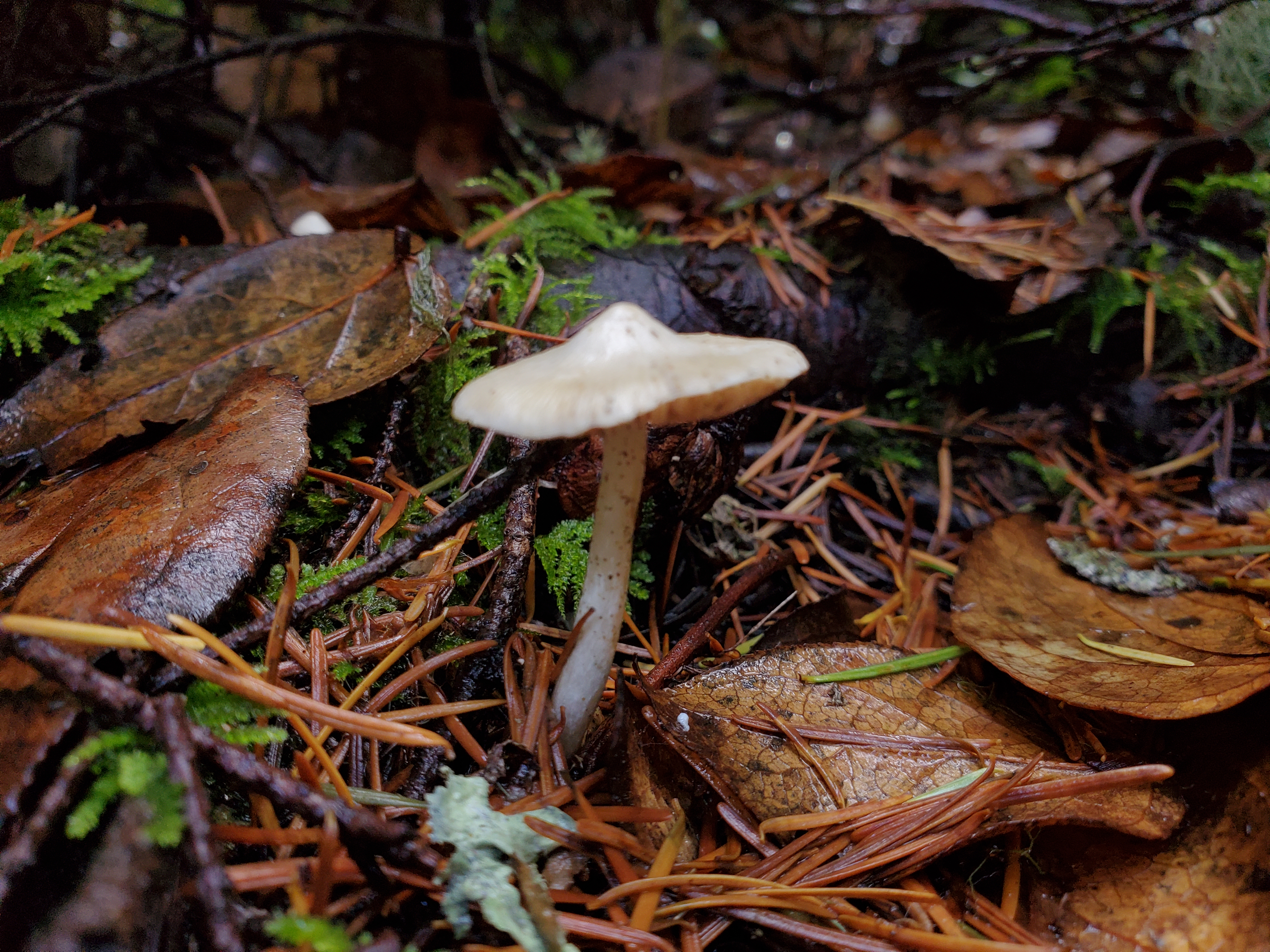
The messiest gardens are often the healthiest; those fallen leaves in your garden are actually serving several hidden, beneficial purposes!
Walking and driving around town in November, I'm certain everyone has noticed all the fallen leaves. They add a certain magical charm to the fall season. Despite their whimsy, many yard owners want them out of their gardens, and I don't blame them. They're messy, hard to manage, and they seem as though they aren't doing much for the garden, right?