
1. Erosion
Uncovered soil is left vulnerable to natural forces such as wind and rain that can dislodge fine soil particles. Over time, this leads to erosion; the gradual loss of topsoil.
Topsoil is the most bioactive layer of the garden. It contains organic matter such as plant roots, beneficial microbes, fungi, and other nutrients plants rely on. It is difficult to replace topsoil that has been washed or blown away.
In the natural world, there are systems that keep topsoil in place, such as plant roots and groundcovers. Without this protection, the soil, the backbone of the garden, can be lost.
2. Damage to soil life
Although we may not see it every day, healthy soil is alive and full of beneficial organisms. Beneath the surface exists a complex food web of bacteria, fungi, protozoa, nematodes, arthropods, earthworms, plant roots, and much more. These organisms do a variety of tasks essential to keeping your plants healthy, such as regulating nutrients, and improving soil structure.
Bare soil can disrupt this system in a few ways, some of which being:
- UV radiation from direct sunlight
- Temperature extremes (extreme heat or cold)
- Increase evaporation from soil, creating a drier environment
- Reduction in nutrients for microorganisms to feed upon
When the biological activity of the soil decreases, plants increase their dependence on external inputs such as fertilizers, creating a cycle of dependency rather than resilience.
3. Water loss
A garden with bare soil is not a water wise garden. Without insulation against the direct rays of the sun, the water within the soil evaporates much faster, which not only causes plants to stress and wilt, but also increases irrigation needs for the garden. As previously mentioned, groundcovers act as insulation for the garden, reducing evaporation and thus plant stress. When plants are stressed they become much more susceptible to insects and disease, creating a negative feedback loop of garden health decline.
4. Encourages weed growth
Disturbed and exposed soils create ideal germination condition for invasive and opportunistic species. Some weed seeds lay dormant in the soil for years, waiting for the right moment when there is enough sun and disturbance. When we clear an area and leave it bare, we trigger those dormant seeds to sprout. Additionally, competitive species of weeds see the bare soil as an advantage to spread, since they are not kept in check by dense plantings or mulch.
5. Disruption of natural ecosystem function
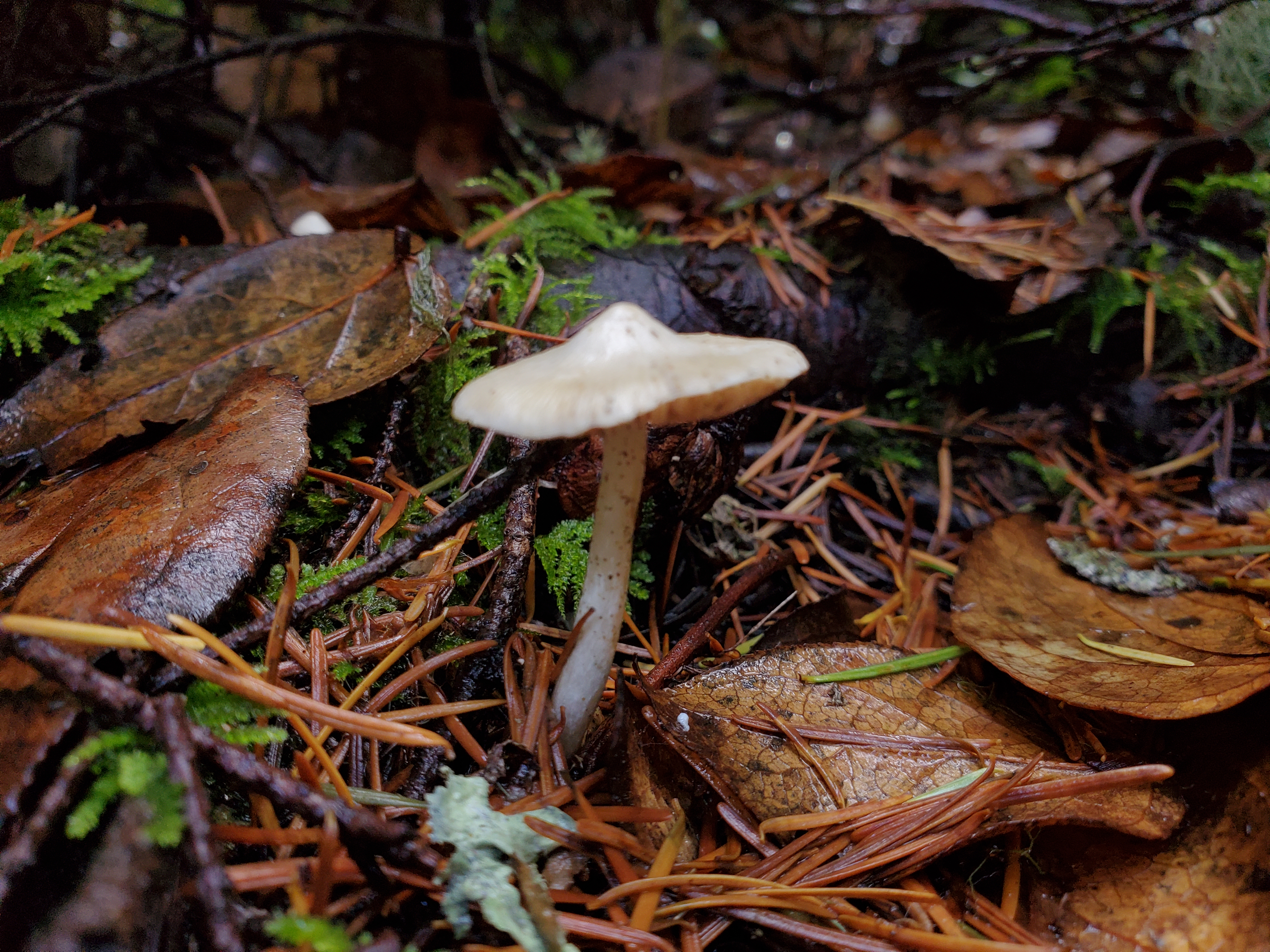
In nature, soil is almost always protected by:
- Living plants
- Leaf litter
- Decomposing organic matter
As this organic material decomposes, it builds fertility over time. Organic matter feeds soil organisms, which in return feed plants. Bare soil interrupts this cycle and slows the natural process of regeneration.
What to do instead?
1. Mulch
Mulches such as leaf mold, straw, or wood chips feed the soil life as they break down.
2. Cover crops
Low-growing perennial groundcovers such as clover create something known as "living mulch"- a layer of alive plant material that stabilize soil and provide habitat and food to soil organisms as they break down.
3. Leave the leaves
Instead of removing the leaves off your garden at the end of the fall season, you can use them to create a mulch to protect your garden over the winter! You can read more in my article here: Fallen Leaves Aren't Litter; They're Life!
Healthy soil is the foundation of sustainable horticulture. And healthy soil is rarely-if ever- bare.